
Welcome!

Welcome!
For over 20 years, I’ve been answering people’s toughest money questions. And few topics generate more confusion than this one: Should I buy or lease my next vehicle?
So I created this guide to give you the full breakdown.
By the time you finish, you’ll know exactly which option fits your lifestyle, your finances, and your Rich Life.
Let’s get into it.
— RAMIT
The Ultimate Guide to Buying vs Leasing a Vehicle
Make the right choice for your wallet—and your life
Still using your grandpa’s car-buying advice? Back when a Honda Civic cost $13,000 and gas was $2 a gallon, you could follow the rules: buy used, pay it off in five years, and drive it forever. That world doesn’t exist anymore.
Today’s market is a completely different game. Sticker prices are up. Loan terms are longer (and higher). And most people never calculate the true cost of ownership. So if you’re still asking “What’s my monthly payment?” you’re setting yourself up for a financial gut punch.
You’re not just buying a vehicle. You’re making a $100,000+ decision.
Take a $63,000 truck: after six years, it could cost you at least $120,000. And the wrong call—whether buying or leasing—can quietly wreck your finances for years.
If you’ve ever wondered, “Should I buy or lease my next vehicle?” this guide will show you how to make the right decision, using real numbers and practical checklists.
The basics: buying vs leasing
Let’s break it down—in plain English, no dealership B.S.
Buying a vehicle
- You own it (eventually)
- You can finance or pay cash
- After the loan is paid off, the vehicle is yours—no payments
- Good if you plan to keep the vehicle long-term
Leasing a vehicle
- You’re basically renting it
- 2- to 3-year terms
- Monthly payments, stays under warranty
- Return it at the end or lease another
- Good for people who want the newest features, fewer repair headaches
Side-by-side comparison: real costs
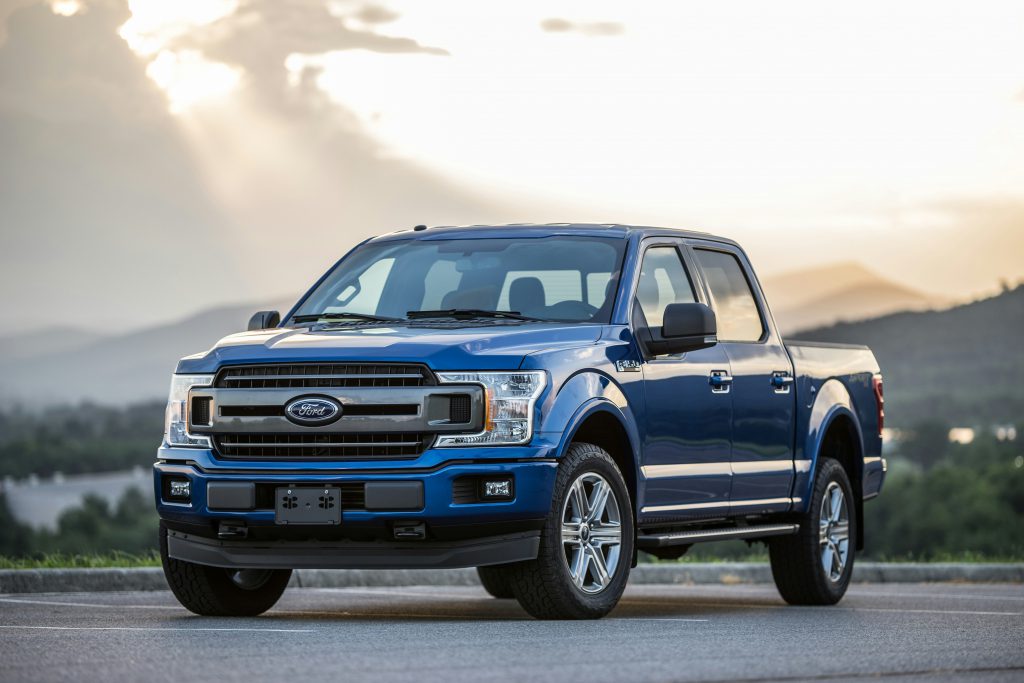
Example 1: 2025 Ford F-150 Lariat
Sticker price: $63,360
Buying:
- Down payment (20%): $12,600
- Loan amount: $50,760 @ 6.7% APR over 72 months
- Monthly payment: $858
- Gas: $175/month ($12,600 over 6 years)
- Maintenance & repairs: ~$1,590/year ($9,540 total)
- Insurance & fees: ~$3,800/year ($22,800 total)
- Resale value after 6 years: $26,700
- Total cost: $92,624 (after resale)
Leasing:
- Monthly lease payment: $700
- Lease cost for 6 years: $74,114
- Gas: $12,600
- Maintenance & repairs: $0 (covered under warranty)
- Insurance & fees: $22,800
- Total cost: $109,514
Buying wins by $16,890 if you sell after 6 years.
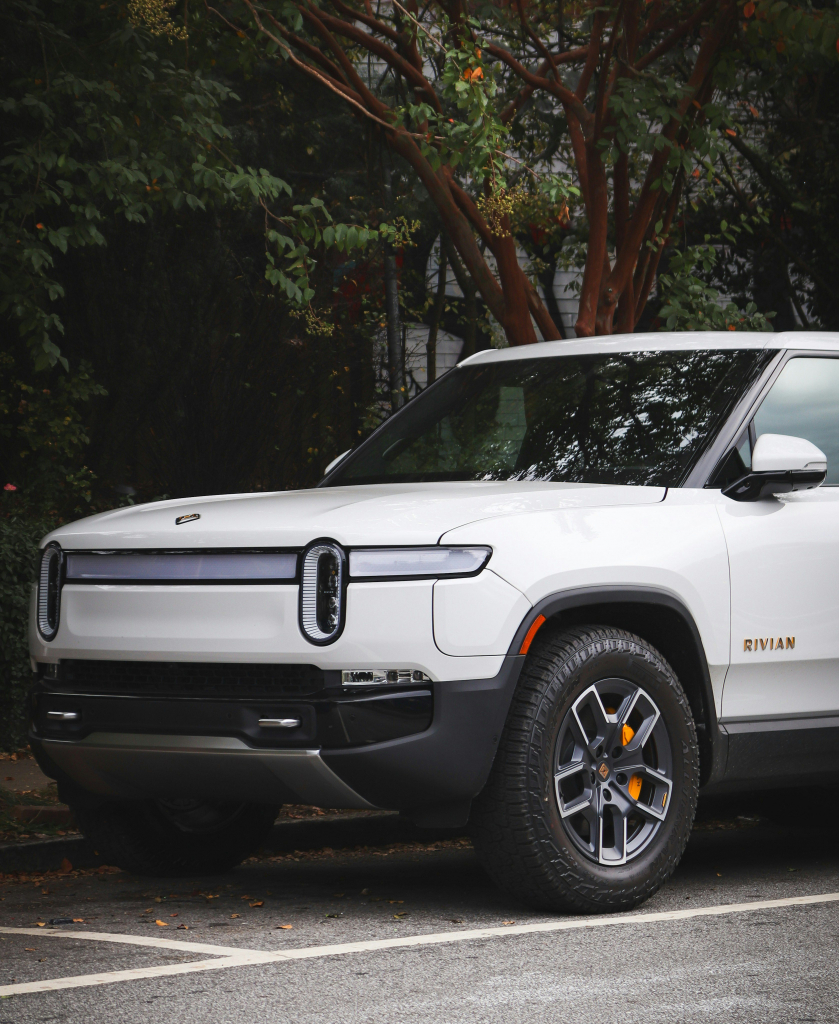
Example 2: 2025 Rivian R1S (electric SUV)
Sticker price: $75,900
Buying:
- Down payment (20%): $15,200
- Loan amount: $60,700 @ 2.99% APR over 72 months
- Monthly payment: $922
- Charging: $125/month ($9,000 total)
- Maintenance & repairs: ~$750/year ($4,500 total)
- Insurance & fees: ~$3,800/year ($22,800 total)
- Resale value after 6 years: $35,000
- Total cost: $82,883 (after resale)
Leasing:
- Monthly lease payment: $809
- Lease cost for 6 years: $58,248
- Upfront costs: $8,704 (Lease 1) + $12,704 (Lease 2)
- Charging: $9,000
- Maintenance & repairs: $0
- Insurance & fees: $22,800
- Total cost: $111,456
Buying wins by $28,573 if you sell after 6 years.
Which is right for you?
Leasing might make sense if you:
- Drive fewer than 15,000 miles/year
- Want the newest features and warranty coverage
- Hate surprise repairs
- Own a business or want to preserve cash flow
- Are wealthy enough to lease a new vehicle every few years
Buying is better if you:
- Plan to keep your vehicle 6+ years
- Drive a lot (no mileage limits)
- Want to avoid monthly payments in the future
- Are OK managing repairs after warranty ends
- Want to resell and recapture value
The Rich Life framework
Rich people don’t ask, “Can I afford the monthly payment?”
They ask:
- “What’s the total cost of ownership?”
- “How does this fit into my life?”
- “Does this give me freedom and flexibility?”
If your monthly payment is $400, assume you’re really spending double or triple that amount (so, $800 – $1,200/month) after adding gas, maintenance, insurance, fees.
If your vehicle pushes your fixed costs over 60% of your take-home pay, it’s too expensive.
Use my Conscious Spending Plan
Before you sign anything, use my Conscious Spending Plan to:
- Calculate what you can actually afford
- Avoid hidden vehicle costs
- Build a plan that supports your Rich Life—not the dealership’s profit
Take the guesswork out of the equation
To sum up, first go through the 4-question checklist below and use your money to live your Rich Life:
- How long do I plan to keep this vehicle?
- How important is having the newest features, warranty, and convenience?
- Am I optimizing for cash flow now, or long-term cost savings?
- Will I drive more than 15,000 miles a year?
Then, use this guide to:
- Compare the real costs side by side
- Factor in your driving habits, lifestyle, and financial goals
- Make a decision that gives you peace of mind
This will give you a decision based on facts and numbers, not someone’s outdated opinions.
Bottom line
Buying is usually the better financial decision, but not always.
Run the numbers. Ignore outdated advice. Make the decision that fits your life, your values, and your goals.
Join Money Coaching With Ramit Sethi

Join Money Coaching With Ramit Sethi
If you want to stop stressing about money, you have to CHANGE your approach to money. What if instead of stressing about money, you ENJOYED it? What if your money GREW your Rich Life, automatically? What if you could see and track how your life was IMPROVING, month by month? And what if you finally found the community, the friends, and the teachers you’ve been looking for?